
The Saver-to-Spender Shift: Why It’s So Hard
After decades of disciplined saving, budgeting, and investing, many retirees face an unexpected challenge—not running out of money, but struggling to spend it.
It sounds counterintuitive. You’ve built a nest egg to support freedom, family, and peace of mind. And yet, when it comes time to enjoy it, many retirees hesitate.
According to a 2022 study cited in The Wall Street Journal, the average retiree withdraws just 2.1% of their savings per year—far less than the 4% rule commonly recommended by financial advisors. That often means retirees are living more cautiously than they need to, missing out on experiences they planned for and earned.
So, why is spending in retirement so hard? The answer is deeply emotional—and highly solvable.
Why Spending in Retirement Feels Risky
1. The Fear of Running Out
In a 2023 Allianz Life survey, 61% of retirees said they feared outliving their money more than death. It’s not just a financial concern—it’s an existential one. Every withdrawal feels final, and the idea of an uncertain future makes it hard to act, even when the math says it’s safe.
2. Loss Aversion
Psychologists Daniel Kahneman and Amos Tversky found that losses feel roughly twice as painful as gains feel good. After watching balances grow over decades, seeing them shrink—even intentionally—triggers stress. It goes against everything savers have trained themselves to do.
3. Identity as a Saver
Retirees have often spent 30 or 40 years with a clear identity: “I’m a saver.” That mindset doesn’t flip off like a switch. Living frugally becomes a habit, even when the conditions have changed and the money is there to be used.

The Real Cost of Oversaving
Being overly cautious can create unintended consequences. Here are a few:
- Missed Experiences: That dream trip, extra time with family, or new hobby might get put off—until it’s too late.
- Unspent Wealth: Many retirees pass away with significant savings untouched. Those funds could have enhanced their quality of life or created shared memories.
- Health-Limited Enjoyment: Waiting too long to spend means risking declining health, limiting the ability to travel or stay active.
As one retirement coach put it: “You don’t want to be the richest person in the graveyard.”
Common Patterns We See
Across thousands of retirement conversations, a few behaviors emerge repeatedly:
- Living off interest only: Retirees avoid touching the principal, even if it means living uncomfortably.
- Spending like they’re still working: The spending habits built over a career persist, even when there’s more than enough to live fully.
- Guilt after spending: Even planned expenses—like helping a child or taking a vacation—can leave people second-guessing their decisions.
These patterns aren’t about logic. They’re about emotional safety.
Building Confidence in Retirement Spending
You don’t need to abandon caution—but you do need a system that shows you when it’s okay to spend. Here are a few ways we help retirees bridge the gap between can and will.
1. Create a “Retirement Paycheck”
Instead of random withdrawals, structure your accounts to produce a predictable monthly income, much like your paycheck used to. This could come from dividends, bond ladders, annuity payments, or scheduled transfers from investment accounts.
When income is consistent, retirees tend to feel more confident spending it.
2. Use Guardrails, Not Guesswork
Modern retirement planning software—like the Guyton-Klinger rules or dynamic withdrawal tools—can help you see when your spending is within safe limits and when adjustments may be needed. It’s like having GPS for your financial life, so you don’t veer too far off track.
3. Use the Bucket Strategy
Divide your retirement assets based on when you’ll need them:
- Bucket 1 (0–12 months): Cash for day-to-day expenses.
- Bucket 2 (1–5 years): Bonds for stable income and market protection.
- Bucket 3 (5+ years): Stocks for long-term growth.
This structure helps retirees know their current needs are covered, so they can let longer-term investments grow without panic.
4. Align Spending With Values
Retirement isn’t just about money—it’s about what the money allows you to do. That could be:
- Taking a family vacation
- Donating to causes you care about
- Paying for a grandchild’s education
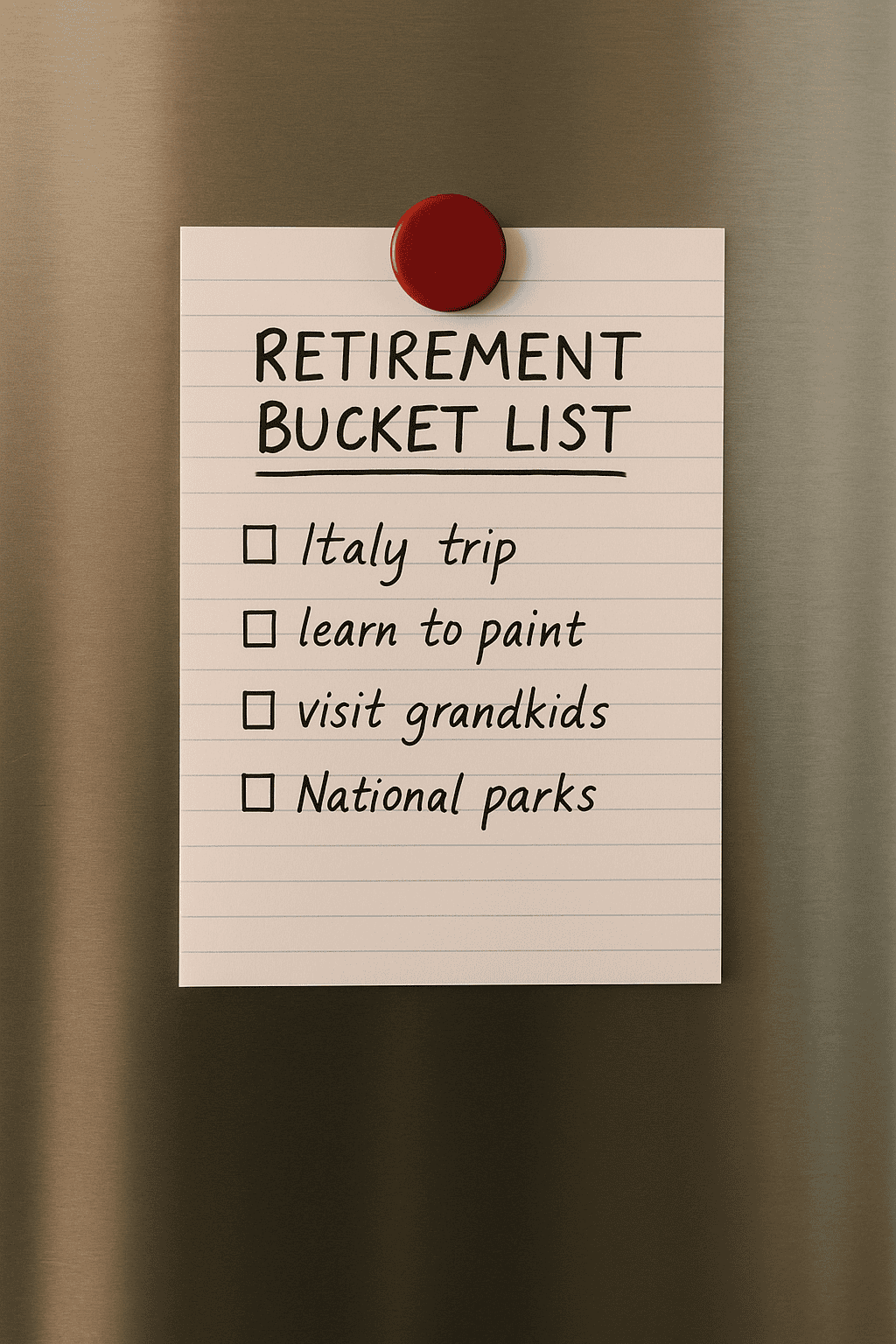
- Enjoying hobbies you never had time for
When spending aligns with your values, it often feels more rewarding—and less anxiety-provoking.
The Psychology of Spending Without Guilt
Reframe Your Story
Rather than seeing withdrawals as “losing money,” consider them as “buying time,” “creating memories,” or “fulfilling a purpose.” Your money has a job—to serve you. It’s okay to let it.
Practice Small “Permission Slips”
Start with small, meaningful purchases—a weekend trip, a new class, or a nicer dinner out. Notice how you feel. For many, confidence grows when they realize their plan still holds up afterward.
Rely on Your Plan
When you can see, in black and white, that your plan can support your lifestyle—even if the market dips or inflation rises—you gain the peace of mind to enjoy your wealth. That’s where financial planning makes all the difference.
What the Research Tells Us
- Morningstar (2022): Most retirees withdraw well below safe levels, despite having sufficient assets.
- Boston College’s Center for Retirement Research (2021): Many retirees pass away with 80% or more of their wealth intact.
- AARP (2023): 70% of retirees say they wish they’d spent more on travel and family experiences when they were younger and healthier.
The message is clear: most people don’t overspend—they underspend, and often regret it.
A Simple Example
Imagine a couple with $1.5 million in retirement savings. They could safely withdraw $60,000 annually (4%) plus Social Security.
But because of fear, they take out only $30,000 each year. After 10 years, they’ve barely touched their principal. Yet their health has declined. The trips they wanted to take? No longer possible. The extra time they hoped to spend with family? Missed opportunities.
A well-designed plan isn’t just about making your money last—it’s about giving you permission to live now.
Ask Yourself These Questions
- Am I living the retirement I envisioned, or am I stuck in “accumulation mode”?
- What experiences or joys am I postponing unnecessarily?
- Do I have a structured withdrawal plan that shows me how much I can spend—and still be okay?
If these questions spark doubt, you’re not alone. But you can change the narrative.
Final Thoughts
Retirement isn’t about hoarding money. It’s about creating a life that reflects your values, passions, and relationships—without unnecessary fear.
Yes, you should be prudent. Yes, you should avoid reckless decisions. But if you have a plan, and the numbers work, it’s okay to spend what you’ve saved. You didn’t work 40 years to live in financial anxiety.
What you need is not just a portfolio—but a permission structure. A clear, personalized system that says, “You’re on track. Go live.”
Ready to Spend With Confidence?
If you’re still wondering how much you can spend safely—or what it would take to enjoy life more—our Tax-Smart Retirement Blueprint can help.
It’s more than numbers. It’s about giving you the tools, clarity, and confidence to enjoy the freedom you’ve earned.
Let’s build a plan that works for your life.
About the Financial Planning Author

Alexander Langan, J.D., serves as the Chief Investment Officer at Langan Financial Group. In this role, he manages investment portfolios, acts as a fiduciary for group retirement plans, and consults with clients regarding their financial goals, risk tolerance, and asset allocation.
With a focus on ERISA Law, Alex graduated cum laude from Widener Commonwealth Law School. He then clerked for the Supreme Court of Pennsylvania and worked in the Legal Office of the Pennsylvania Office of the Budget, where he assisted in directing and advising policy determinations on state and federal tax, administrative law, and contractual issues.
Alex is also passionate about giving back to the community, and has participated in The Foundation of Enhancing Communities’ Emerging Philanthropist Program, volunteers at his church, and serves as a board member of Samara: The Center of Individual & Family Growth. Outside of work and volunteering, Alex enjoys his time with his wife Sarah, and their three children, Rory, Patrick, and Ava.
About Langan Financial Group: Financial Advisors
For everything you’ve built.
Your savings. Your business. Your family’s future. Each deserves thoughtful planning that starts with what matters to you.
Langan Financial Group provides financial planning and investment management for individuals, families, and business owners. With offices in Camp Hill and York, Pennsylvania, we serve clients throughout Central Pennsylvania.
We help you work through questions about retirement income, investment decisions, Social Security, and how taxes may affect your financial plan. Our approach starts with understanding your goals, your financial picture, and your comfort with investment risk. From there, we help you evaluate your options and develop a plan that can evolve as your life changes.
We also help businesses and organizations evaluate workplace retirement plans and understand their responsibilities as plan sponsors.
Disclosure
The content is developed from sources believed to be providing accurate information. The information in this material is not intended as tax or legal advice.
Please consult legal or tax professionals for specific information regarding your individual situation.
The opinions expressed and material provided are for general information, and should not be considered a solicitation for the purchase or sale of any security.