
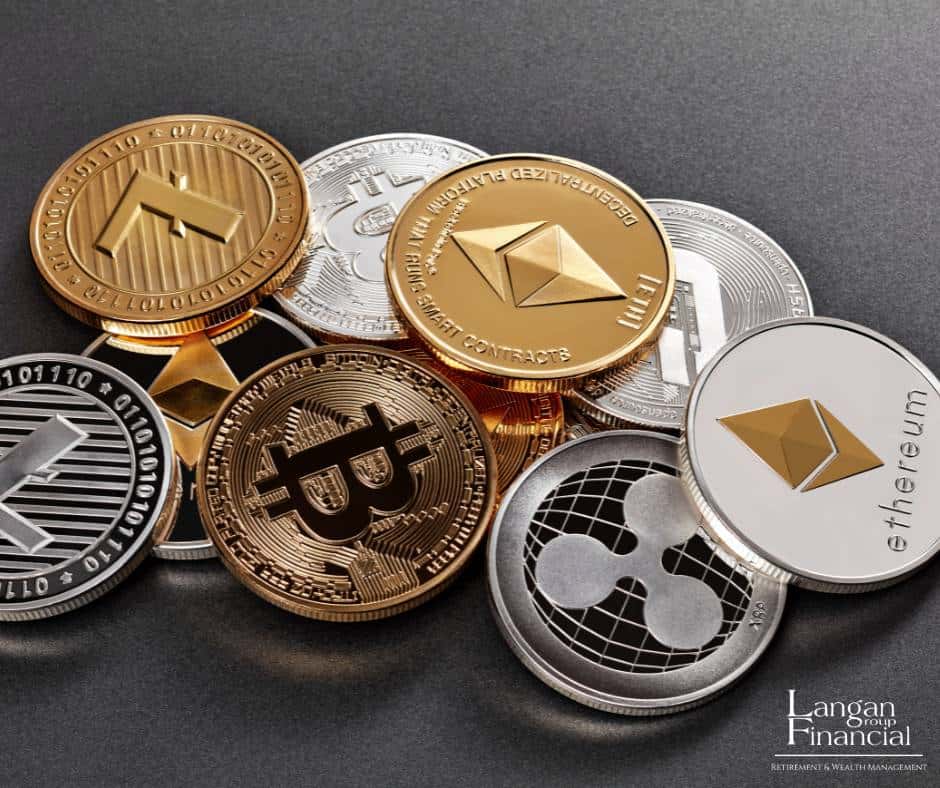
What is Cryptocurrency?
Cryptocurrency has taken the financial world by storm, but for many, it’s still a bit of a mystery. In simple terms, cryptocurrency is a digital or virtual currency that uses blockchain technology for security. This means that transactions are transparent, secure, and not subject to the whims of banks or governments. When it comes to smart investing it’s helpful to understand the basics of cryptocurrency, how blockchain technology works, and why it’s gaining so much attention.
What is Blockchain Technology?
At the core of every cryptocurrency is blockchain technology, which ensures that every transaction is transparent, secure, and immutable. Blockchain is essentially a public ledger where every transaction is recorded. Once data is added to the blockchain, it’s permanent and cannot be altered.
Each transaction is verified by multiple independent computers, known as nodes, which must reach consensus to confirm that a transaction is valid. This decentralized system prevents fraud and makes the entire process more secure than traditional banking systems. In essence, blockchain ensures that cryptocurrency transactions are transparent but also cannot be tampered with.
Bitcoin vs. Ethereum; What are the Differences?
There are many types of cryptocurrencies, but Bitcoin and Ethereum are two of the biggest players in the game.
- Bitcoin, often called “digital gold,” is primarily used as a store of value. Just like gold, Bitcoin has a limited supply of 21 million coins, which creates scarcity and gives it value. It’s seen as a hedge against inflation and a potential store of wealth in the digital age. Bitcoin’s blockchain allows for simple peer-to-peer transactions, and its value is largely determined by scarcity, demand, and adoption.
- Ethereum, on the other hand, is more than just a cryptocurrency, it’s a blockchain platform designed to support smart contracts and decentralized applications (dApps). While Bitcoin’s blockchain is focused on transactions, Ethereum’s allows developers to build complex applications on top of it. This makes Ethereum a layer-one blockchain with a much broader range of use cases, such as decentralized finance (DeFi), NFT marketplaces, and much more.
Be Careful of Meme Coins and Scams
While Bitcoin and Ethereum are the major players, the world of cryptocurrency is also home to more speculative and often risky investments, like meme coins. These are digital currencies that often gain traction due to hype and social media, rather than any underlying technology or utility. A classic example of this is Dogecoin, which started as a joke but gained immense popularity thanks to celebrity endorsements (looking at you, Elon Musk).
However, these coins are often subject to extreme volatility, and their value can plummet as quickly as it rises. Worse yet, the world of meme coins and new crypto projects is rife with scams. Fraudsters can create a coin, promote it aggressively to drive up the price, and then execute a “rug pull” by selling off their holdings and leaving investors with worthless assets. This is why it’s crucial to be careful when diving into the world of speculative crypto.
The Future of Crypto is Now
If institutions continue to build their networks and blockchains, cryptocurrency stands to become more than a trend and may ultimately become the future of finance. While Bitcoin offers security as “digital gold,” Ethereum’s flexibility is enabling an entirely new generation of decentralized applications. But it’s important to be aware of the risks, especially when dealing with meme coins and other speculative assets. Always do your homework, and remember that not all that glitters in crypto is gold.