You probably have dozens of online accounts, photos, and even investments you don’t think about every day. But when you’re not here (or if something happens), those digital assets need a plan too. Otherwise, your family could be locked out of important stuff—or worse.
Here’s how to turn your digital life into a legacy, not a burden.
What Counts as a Digital Asset?
Digital assets are more than just crypto or Bitcoin. They include:
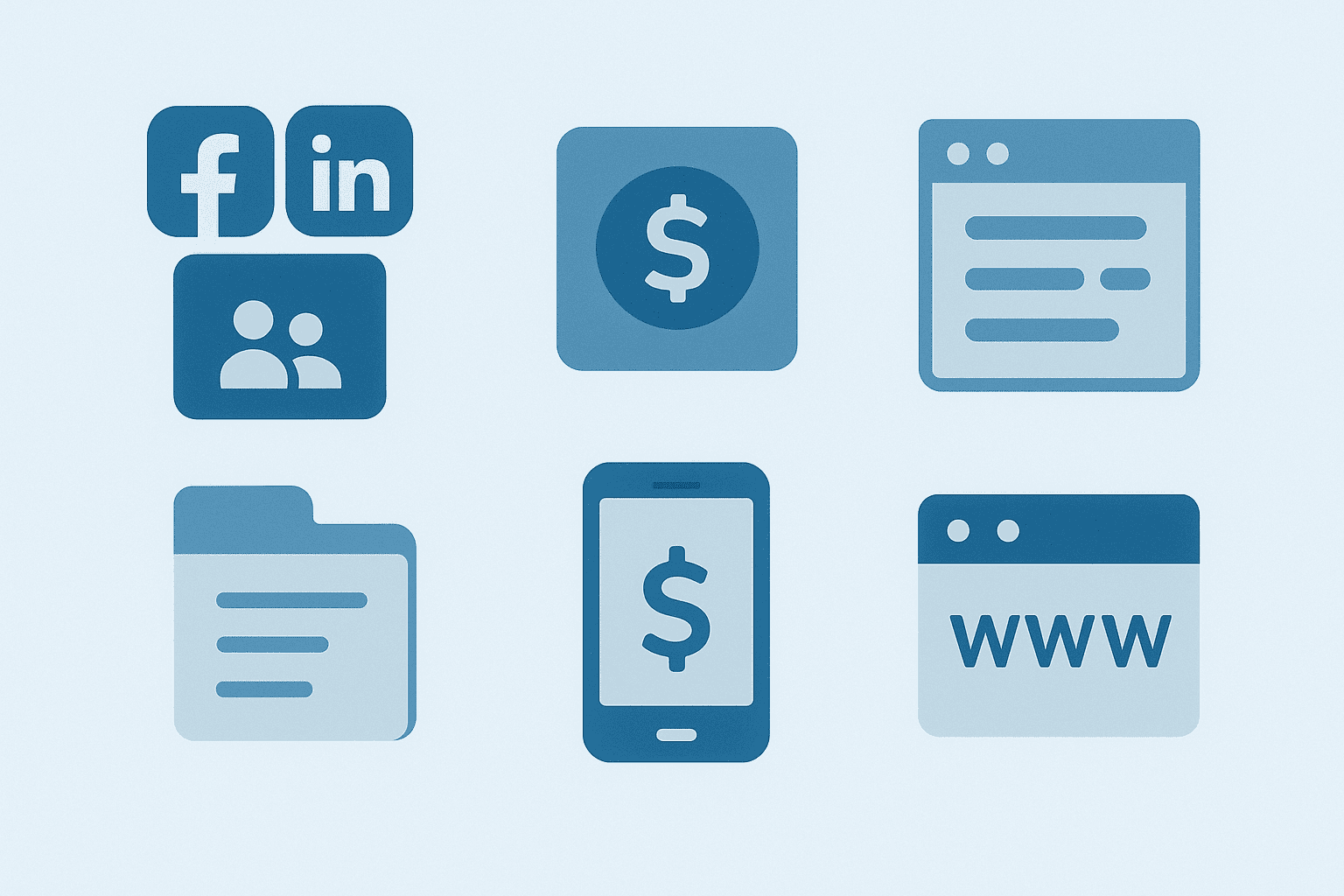
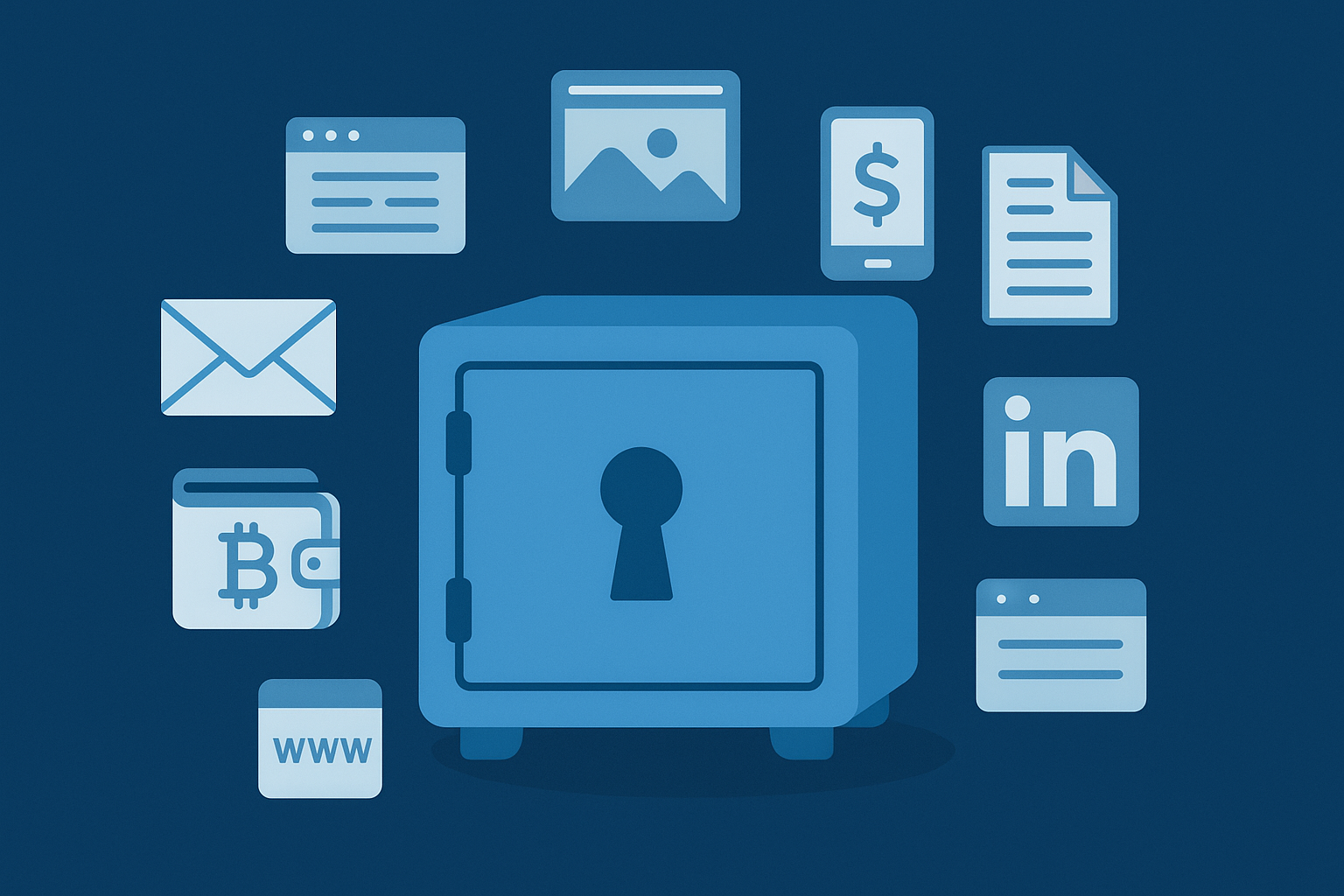
- Email accounts, social media accounts (Facebook, Instagram, LinkedIn)
- Financial accounts: PayPal, Venmo, online banking, brokerage apps
- Crypto wallets, NFTs, blockchain assets
- Digital files and documents: photos, tax docs, scanned deeds
- Websites, domain names, blogs, online businesses
Many people forget they own more online than they realize.
Why Digital Estate Planning Matters
If you don’t plan, your loved ones might:
- Lose access to accounts with money in them
- Be unable to close or delete accounts (some platforms lock or deactivate them)
- Miss files or photos that are important
- Face identity theft if accounts stay open and exposed
Many people don’t have a full picture of the digital assets they own, and many haven’t included those assets in their plans. For crypto, the risk can be permanent: if the private keys to a wallet are lost or destroyed, the assets inside may be unrecoverable, and heirs may have no way to access them.
That’s why digital assets are an important part of estate planning.
Risks of Ignoring Digital Assets
Let’s look at some real dangers:
- Crypto wallet lost forever. Imagine you had Bitcoin stored in a private wallet. If no one knows the key or seed phrase, that wallet is gone forever.
- Accounts frozen or locked. Social media platforms may freeze or delete accounts if there’s no access or verification after someone passes.
- Identity and security risks. If passwords live somewhere without a plan, those accounts can be abused.
- Lost memories. Family photos, letters, videos—all digital. Without a plan, they may be irretrievable.
One example: a person loses access to cryptocurrency and tries to recover it, but without the key, it can’t be claimed. That’s why planning ahead is critical.
Steps to Protect Your Digital Estate
Here’s how to make sure your digital legacy isn’t lost.
a) Inventory Everything
List all your digital assets and accounts. Use a spreadsheet or a digital vault. Include:
- Account name
- Username/email
- Website or platform
- What’s inside (e.g. crypto, photos, files)
- Access method (password, key, 2FA)
b) Secure Access
Store credentials in a safe place:
- Password manager (with emergency access or legacy feature)
- Physical backup (written down, locked in safe)
- Multi-factor backup methods
c) Legal Authority
Make sure your estate documents cover digital assets:
- Add a “digital assets” clause in your will or trust
- Grant your executor or agent access rights
- Use powers of attorney that allow digital access in case you can’t act yourself
d) Share Wisely
Let someone you trust know how to use the access information — but in a safe, minimal way.
- Share instructions (not passwords)
- Use secure communication (avoid sending passwords over email)
- Limit what they can see versus what they can do
e) Update Regularly
Digital lives change:
- New accounts come and go
- Some accounts become inactive
- Update your inventory and access info at least annually
How Digital Planning Fits Into Your Bigger Legacy
Your digital plan should not be a side note. It should connect with your overall estate plan.
- Work with your attorney and financial advisor to ensure digital clauses align with state law
- Make sure your will, trust, beneficiary designations, and digital plan all reflect your current wishes
- Coordinate with family so trusted people know how to access the parts they should
How to Protect My Digital Passwords
You don’t want to leave your family guessing over a password or money they can’t access. Digital estate planning helps you protect what matters — money, memories, identity — and passes it on with dignity and clarity.
Make sure you follow these steps to help minimize problems for your family and improve your legacy implementation.
About the Financial Planning Author

Alexander Langan, J.D., serves as the Chief Investment Officer at Langan Financial Group. In this role, he manages investment portfolios, acts as a fiduciary for group retirement plans, and consults with clients regarding their financial goals, risk tolerance, and asset allocation.
With a focus on ERISA Law, Alex graduated cum laude from Widener Commonwealth Law School. He then clerked for the Supreme Court of Pennsylvania and worked in the Legal Office of the Pennsylvania Office of the Budget, where he assisted in directing and advising policy determinations on state and federal tax, administrative law, and contractual issues.
Alex is also passionate about giving back to the community, and has participated in The Foundation of Enhancing Communities’ Emerging Philanthropist Program, volunteers at his church, and serves as a board member of Samara: The Center of Individual & Family Growth. Outside of work and volunteering, Alex enjoys his time with his wife Sarah, and their three children, Rory, Patrick, and Ava.
About Langan Financial Group: Financial Advisors
For everything you’ve built.
Your savings. Your business. Your family’s future. Each deserves thoughtful planning that starts with what matters to you.
Langan Financial Group provides financial planning and investment management for individuals, families, and business owners. With offices in Camp Hill and York, Pennsylvania, we serve clients throughout Central Pennsylvania.
We help you work through questions about retirement income, investment decisions, Social Security, and how taxes may affect your financial plan. Our approach starts with understanding your goals, your financial picture, and your comfort with investment risk. From there, we help you evaluate your options and develop a plan that can evolve as your life changes.
We also help businesses and organizations evaluate workplace retirement plans and understand their responsibilities as plan sponsors.
Disclosure
The content is developed from sources believed to be providing accurate information. The information in this material is not intended as tax or legal advice.
Please consult legal or tax professionals for specific information regarding your individual situation.
The opinions expressed and material provided are for general information, and should not be considered a solicitation for the purchase or sale of any security.