
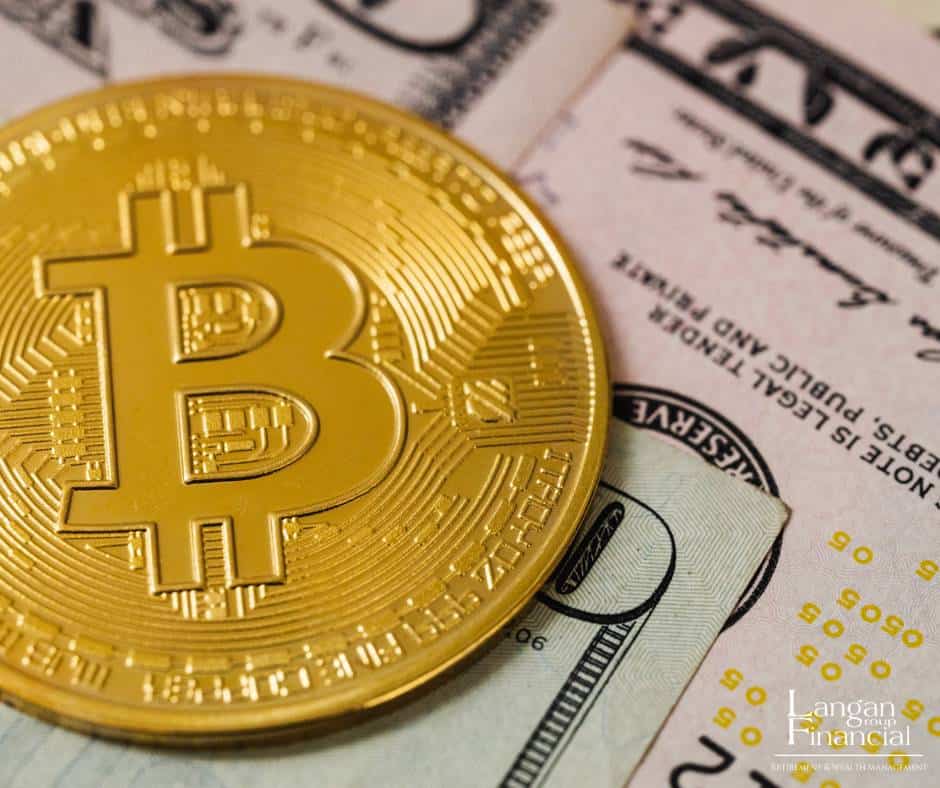
Is Bitcoin Digital Gold?
When you hear people talk about Bitcoin, it’s often in glowing terms. Some call it “digital gold,” others say it’s the future of money, but the question still remains: Why is Bitcoin valuable? In this article, I’ll explain why Bitcoin is considered a legitimate asset, how its fixed supply gives it intrinsic value, and why it has become one of the most talked-about financial assets of the 21st century.
Bitcoin’s Fixed Supply: The Key to Its Value
The key reason Bitcoin is often referred to as “digital gold” is its fixed supply. Unlike traditional currencies, which can be printed by central banks, Bitcoin has a set maximum of 21 million coins that will ever be mined. This limited supply creates scarcity, which is one of the primary drivers of Bitcoin’s value.
Just like gold, Bitcoin is valuable because it cannot be artificially increased. It’s decentralized, meaning no government or institution can control it. This makes it an attractive option for people who want to protect their wealth from inflation and centralized control.
What Happens if You Lose Your Bitcoin? Can They Be Found?
While Bitcoin’s scarcity gives it value, it also comes with a unique challenge: lost Bitcoins. Many early adopters of Bitcoin forgot their private keys or lost their wallets, meaning that a portion of the total Bitcoin supply is essentially gone forever.
There have been stories of people digging through landfills or offering huge rewards just to recover forgotten crypto wallets containing millions of dollars in Bitcoin. A famous example is the man who threw away a hard drive containing over $200 million in Bitcoin. These types of challenges highlight the real-world scarcity of Bitcoin and contribute to its perceived value, once it’s lost, it’s gone forever.
Bitcoin’s Role as Digital Gold
Bitcoin’s value isn’t just tied to its scarcity, though. It’s also seen as a store of value, much like gold. In times of economic uncertainty or inflation, Bitcoin has become a go-to asset for people looking to safeguard their wealth. It offers an alternative to traditional assets, particularly in countries with unstable currencies or economies.
The Legitimacy of Bitcoin: A Recognized Asset
Over time, Bitcoin has gone from being a fringe idea to a globally recognized asset. Some institutions now hold Bitcoin as part of their investment strategies, and El Salvador adopted Bitcoin as legal tender in 2021, though it scaled back that policy in 2025. Bitcoin remains a volatile asset, and whether it will serve as a reliable long-term store of value is still debated.
That said, the market for Bitcoin remains speculative. Some people still view it as a bubble waiting to burst, while others see it as the future of currency. Bitcoin now holds a significant place in the financial world. Its fixed supply of 21 million coins is one reason some investors view it as “digital gold.” However, Bitcoin remains volatile and speculative, its price can fall sharply, and its future value is uncertain.
Disclosure
The content is developed from sources believed to be providing accurate information. The information in this material is not intended as tax, financial or legal advice.
Please consult financial, legal, or tax professionals for specific information regarding your individual situation.
The opinions expressed and material provided are for general information, and should not be considered a solicitation for the purchase or sale of any security.